
Civil Ceremony Photography That Feels Like You
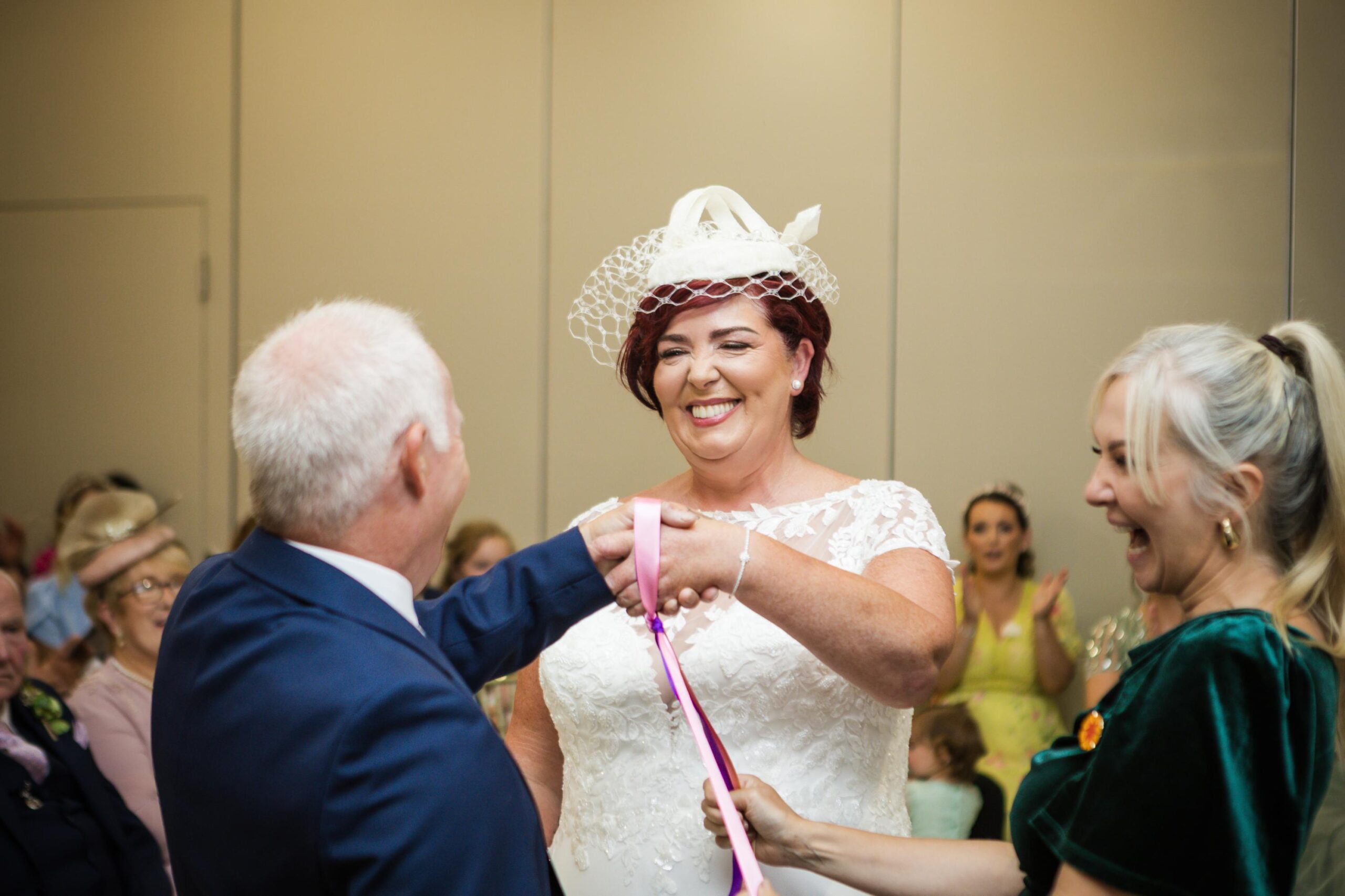
A civil ceremony can be wonderfully simple: the people who matter most, a few heartfelt words, and the moment you finally get to call each other married. Civil ceremony photography should hold on to that feeling – not just the formal parts, but the squeeze of a hand before you walk in, your parents’ expressions during the vows, and the laughter as everyone gathers afterwards.
For many couples across Galway and the West of Ireland, the ceremony is only one part of a full wedding day. For others, it is the whole celebration: intimate, personal and beautifully unhurried. Both deserve photographs with the same care, warmth and attention to detail.
Why civil ceremonies are full of meaningful moments
There is a common idea that a civil ceremony is less emotional because it may be shorter or held outside a traditional church setting. In reality, the opposite is often true. Without a long procession or a packed schedule, there can be more room for people to be present.
Guests tend to be close family and friends. The words you choose feel especially personal. A reading from a sibling, a child bringing the rings, or a grandparent watching from the front row can become the photograph you return to most often.
The setting matters too. A ceremony room at a Galway hotel, a light-filled space in a country house, or a small gathering at a venue close to Loughrea, Clare or Mayo each has its own character. Good photographs should reflect that atmosphere without making the day feel staged.
A relaxed approach to civil ceremony photography
The best photographs usually happen when you are not thinking about the camera. That is why a documentary approach works so naturally for civil ceremonies. We stay aware of what is unfolding, quietly watching for the reactions and small interactions that would otherwise pass in a moment.
One of you may be waiting with a parent or close friend before the ceremony begins. Guests may greet one another with nervous excitement. Someone will almost certainly shed a tear, and someone else will make everybody laugh at exactly the right moment. These are not extras around the ceremony. They are the story of it.
At the same time, a relaxed approach does not mean leaving everything to chance. A photographer should understand where the light falls, where the registrar or celebrant will stand, how guests will move through the room, and when to position themselves without becoming a distraction. Experience brings a calm confidence that lets you get on with enjoying the day.
As a husband-and-wife team, Crean Photography can also cover moments happening at the same time. While one photographer is with the person arriving, the other may be capturing the welcome from guests or the anticipation inside the ceremony room. It creates a fuller record of the day without adding fuss.
The moments worth planning for
You do not need to choreograph every photograph, but a little thought before the day helps protect the moments that matter most. Tell your photographer who the key people are, particularly if there are grandparents, young children, blended families or friends who have played a special role in your relationship.
It is also useful to share the shape of the day. Will you see each other before the ceremony? Are you travelling together? Is there a private first look planned? Will there be a receiving line, a confetti walk, drinks in the garden or a meal straight afterwards? Those details affect how much natural coverage is possible and when family photographs can happen without keeping everyone away from the celebration.
A short list of essential group photographs is sensible. Keep it focused on the combinations you will treasure in years to come: parents, siblings, grandparents, wedding party and perhaps one wider family photograph. If the list grows too long, it can take time away from the candid moments you chose a relaxed wedding for in the first place.
Before the ceremony
The lead-up often carries a quiet emotion that looks beautiful in photographs. Finishing touches, a last check of the flowers, a hug from Mum, or a few deep breaths with your closest people all add depth to the final gallery.
If you are getting ready at separate locations, two photographers can make a real difference. Both sides of the story are preserved, rather than having to choose between them.
During the vows
Ceremony rooms can present a few challenges. Some have low light, limited movement space or rules about where photographers can stand. None of this needs to change the feeling of your photographs, but it is worth checking in advance with the venue, registrar or celebrant.
The important thing is discretion. Your ceremony should not feel like a photoshoot. A good photographer works quietly, anticipates the key moments, and respects the significance of what is being said.
After you are married
The walk back down the aisle is often one of the happiest parts of the day. The formal nerves have lifted, everyone is clapping, and you finally have a few seconds to look at each other and take it in.
Allow a little breathing room after the ceremony if you can. Ten minutes for congratulations and hugs before family photographs makes the whole experience feel more natural. It also gives your photographer the chance to capture the joyful, unplanned reactions that cannot be recreated later.
Portraits that still feel natural
Couples often worry about portraits because they do not want to spend hours away from their guests or feel awkward in front of the camera. You do not need to do either.
A gentle portrait session can take place in short pockets of time, perhaps after the ceremony and again later when the light softens. The aim is not to turn you into models. It is to give you a few minutes together, away from the noise, while creating elegant photographs that feel like the two of you.
The location will guide the style. At Glenlo Abbey Hotel & Estate, for example, the grounds and architecture offer a sense of grandeur. At a smaller venue or local town setting, the focus may be more closely on your connection, a striking doorway, a quiet lane or the natural light near a window. There is no single formula, and that is exactly the point.
Weather is part of wedding life in the West of Ireland. A soft grey sky can be flattering, and a brief shower can add atmosphere rather than spoil the plan. The key is choosing a photographer who can adapt quickly, knows how to find sheltered spots, and keeps the mood light if the forecast has other ideas.
Choosing a photographer for your civil ceremony
Look beyond a handful of posed images. Ask to see full wedding galleries, especially from civil ceremonies or venues with a similar kind of light and timing to yours. You want to know how the photographer handles the ceremony, family groups, speeches, mingling guests and evening celebrations, not only the golden-hour portraits.
Personal connection matters as much as style. Your photographer will be close by during emotional moments, so you should feel comfortable with them from the first conversation. They should listen to what matters to you, answer questions clearly and offer guidance without taking over.
It is worth asking how they work alongside your venue coordinator and celebrant, whether they have a backup plan for rain, and how they manage a tight timeline. These practical details are often what make a day feel calm.
Give yourselves time to feel the day
The photographs you love most may not be the ones you expect. They might be your niece dancing while guests throw confetti, the look on a friend’s face during a reading, or the way your hands find each other after you have signed the register.
Build a little space into the schedule, choose people you feel at ease around, and let the celebration unfold. Years from now, those photographs will bring you back not only to how the day looked, but to exactly how it felt.

Comments are closed.